
D Link Router Setup Made Easy – Configure as Router or Access Point
If you’ve just bought a D-Link router or need to reconfigure it, the D Link router setup is essential to start. This guide walks you through how to log in, configure your network, set security features, deal with a reset, and use features like bridge mode or access-point mode. After going through this guide, you’ll know how to navigate the dlinkrouter.local address, use the setup wizard, fix issues when dlinkrouter.local not working, and establish a secure and stable home WiFi.
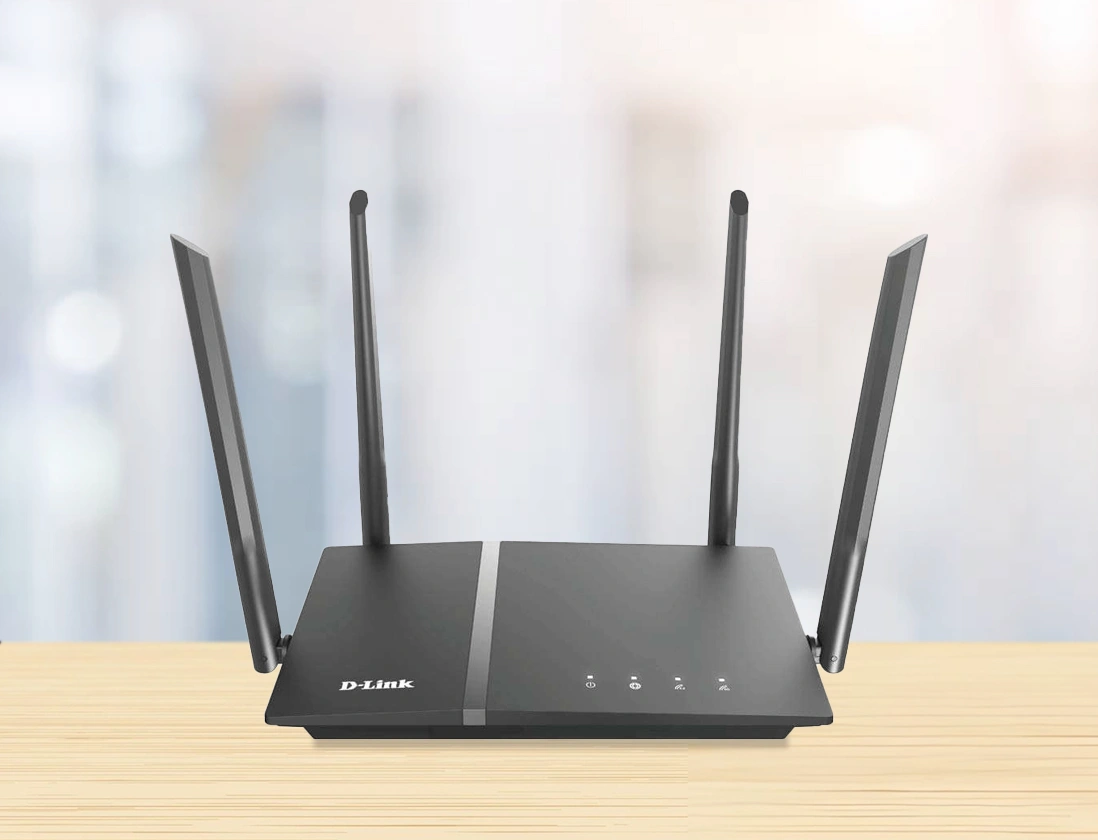
What is the D-Link Router Setup?
The D-Link router setup is nothing high-tech, but connecting your D-Link router to your modem or internet source, accessing its control panel, and then configuring the key settings so your whole home or office network works reliably. While attempting to set up, you’ll visit pages like dlinkrouter.local, run the d-link router setup wizard, and learn “how to setup d-link router” as an access point or in bridge mode if needed. All this helps you to access the admin panel of the router and gain control over the network.
After you finish the setup step by step, your network will run reliably, with your devices connecting easily and fewer interruptions. So, if you follow through this guide, you will get the full benefit of your D-Link device instead of just leaving it on default settings.
Why the Setup Is Important
In this section, we will discuss why the D-Link router setup is essential so that your network is functional and secure. Without the setup, some issues that you may experience include weak signals, potential security breaches, or devices that can’t smoothly connect to the internet. When you set up a d-link router correctly, you can set a custom wireless name, a strong password, install firmware updates, enable guest networks, and will be able to use the router in a special mode, such as D-Link router bridge mode setup or set up D-Link router as an access point.
So even if it doesn’t look complicated at the level of wiring, the setup and configuration afterwards will ensure your daily needs with the internet work dependably and securely to stream, game, and is reliable for work from home.
What You’ll Need Before Setup
Before starting your D-Link router setup, gather the following items and details:
- Your D-Link router and its power adapter.
- A working modem or internet source connected to your ISP.
- A laptop, desktop, tablet, or phone connected via WiFi or Ethernet.
- The router’s default login info.
- The setup address dlinkrouter.local or the IP address (such as 192.168.0.1) for the d link router IP address setup.
- Knowledge of your internet connection type (DHCP, PPPoE, Static).
- A moderated location away from obstructions for your router.
Ensuring these prerequisites makes the setup process smooth. If you skip them, you may get stuck when trying to access the d link router setup page or the d link router setup wizard doesn’t load.
Initial Hardware Setup
This completes the basic hardware and login part of the D-Link router setup.
Step A – Power & connect
- Firstly, plug in your D-Link router’s power adapter and turn it on.
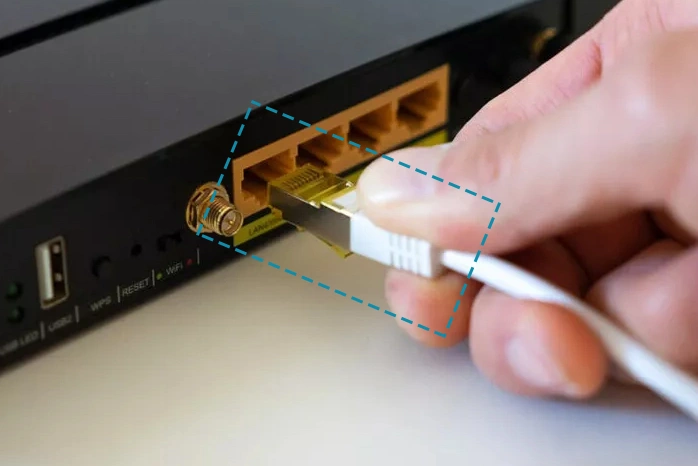
- Then, connect the modem’s Ethernet cable to the router’s WAN or Internet port.
- Connect a computer to one of the router’s LAN ports via Ethernet, or connect via WiFi to the default SSID.
Step B – Accessing login
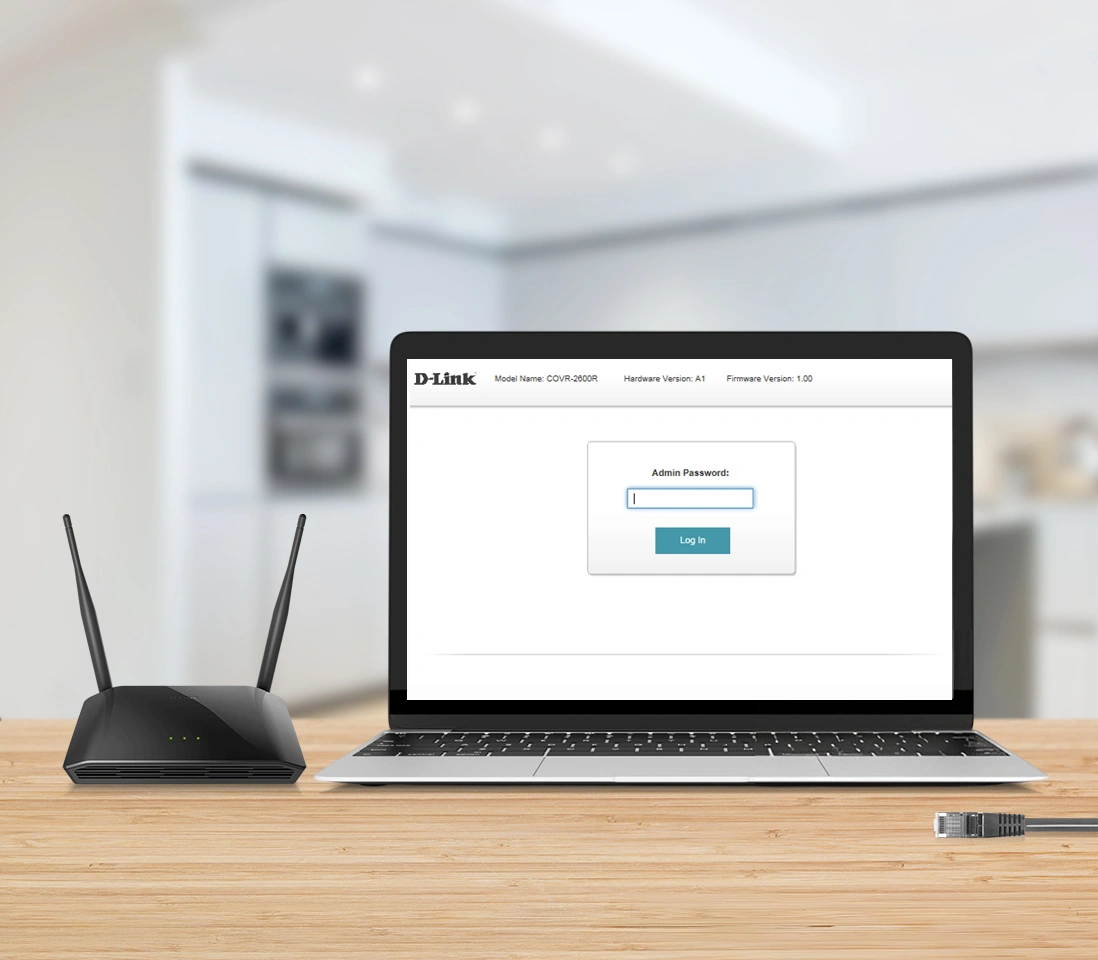
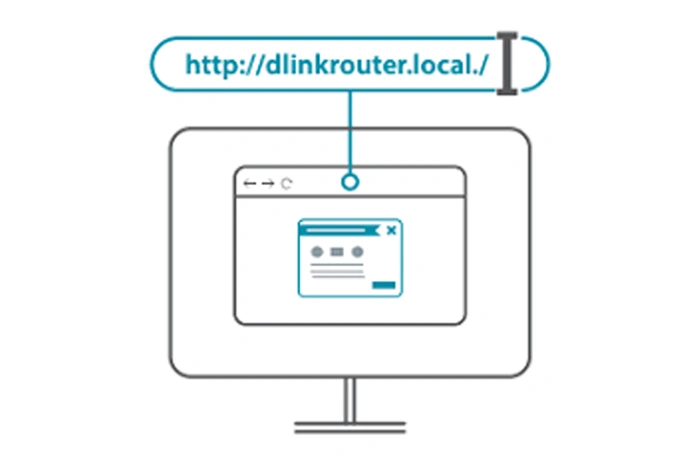
- On your computer or device, open a web browser and type http://dlinkrouter.local or the default address (often 192.168.0.1).
- You’ll land on the d link router setup page or login screen.
- Lastly, enter default credentials (username admin, password often blank or admin).
Step C – Run the Setup Wizard
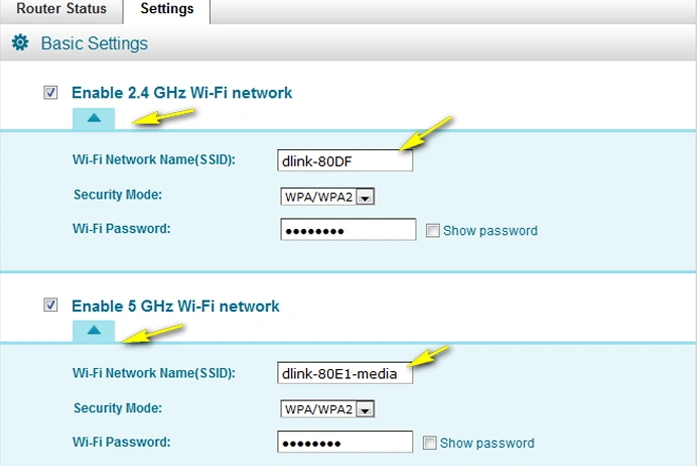
- The d-link router setup wizard will guide you through connection type (DHCP, PPPoE) and wireless settings.
- Enter the WiFi name (SSID) and password, and finish the wizard.
This completes the basic hardware and login part of the D-Link router setup.
Configure WiFi & Network Settings
- Access Wireless Setup or Network Settings.
- Within d link wifi router setup, you will establish SSID and WiFi password for your Network.
- Select a name that you know, and an 8+ character password that has a strong combination of uppercase, lowercase, and numbers or special characters.
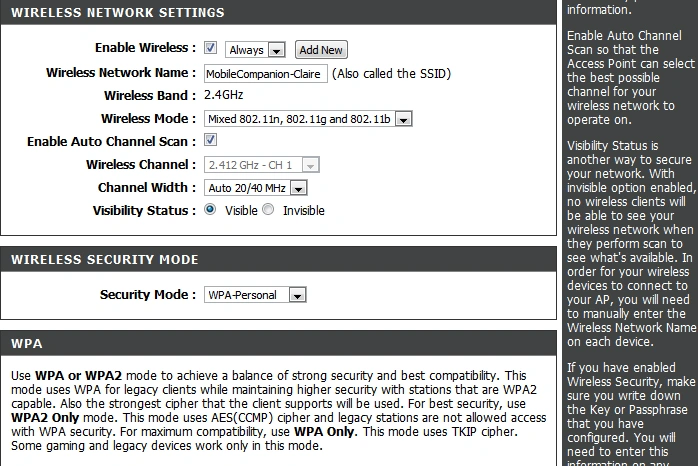
- You will also be able to access d link wireless router setup options to choose your WiFi channel or band (2.4 GHz, 5 GHz), if your device supports it.
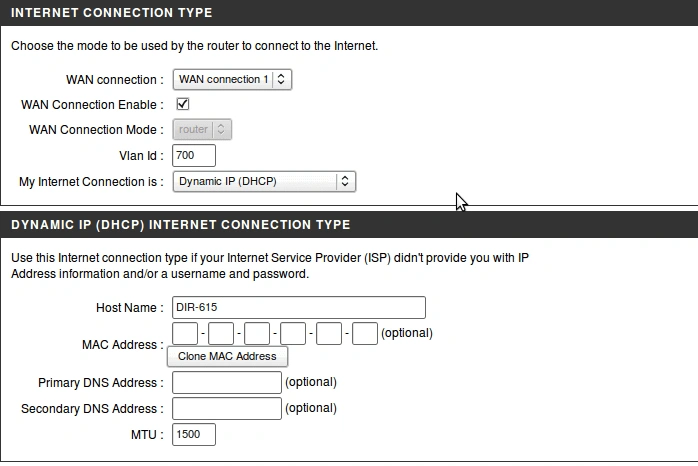
- Under Internet Setup, you will choose your connection type (DHCP, PPPoE, Static). This also includes the d link modem router setup options if your router also acts as a modem.
- If you reset your router, you will then go through d link router setup after reset, so keep in mind you may need to go through the wizard and re-enter settings.
Make sure you click Apply/Save and allow the router to reboot if prompted. Your network should now be active, and devices should be connected using the new SSID and password.
Advanced Setup: Access-Point Mode, Bridge Mode & App Setup
Your D-Link router can do more than standard routing once the basic setup is done:
Setup as Access Point
- If you want to use the D-Link router simply as an extender or AP, follow the setup d-link router as an access point. You’ll disable DHCP and connect via a LAN port instead of WAN.
- Go to Wireless > Advanced, select Access Point mode, and assign a static IP within your network.
Bridge Mode
- Choose d link router bridge mode setup if you have another router, and the D-Link will act as a bridge.
- Disable DHCP, set the LAN IP manually, and connect one LAN port to the main router’s LAN port.
Mobile App Setup
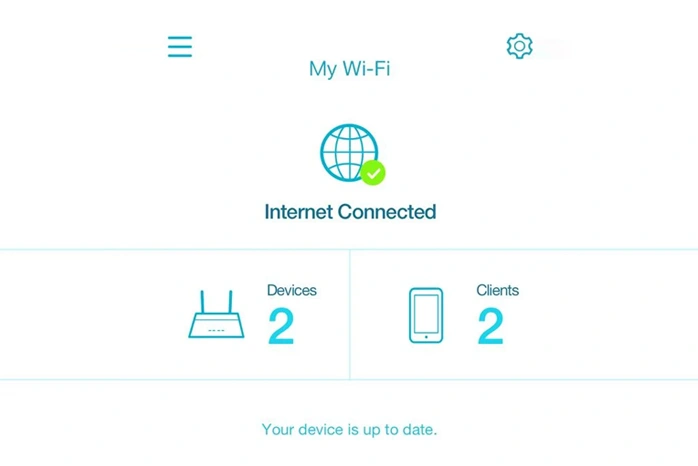
- Use the d link router setup app. Many D-Link models support mobile configuration.
- Download the D-Link Wi-Fi app, connect to the default SSID, follow on-screen instructions, and complete the setup.
These options give you flexibility depending on your network needs – whether you want standard routing, AP usage, or bridging.
Handling Common Issues: dlinkrouter.local Not Working & Password Problems
If you can’t reach the login page or you forgot your login credentials, here are the steps to fix:
Cannot access dlinkrouter.local
- Ensure your PC/device is connected directly to the router’s network (not another WiFi)
- Clear browser cache & cookies or try a different browser
- Try entering 192.168.0.1 or 192.168.1.1 instead of dlinkrouter.local
- Temporarily disable VPN or proxy
- If it still fails, power-cycle the router and retry
Forgot Password / Default password
- The default username is usually admin; the default password is blank or admin for many D-Link models.
- If you changed the password and can’t remember it, you may need a factory reset.
- After reset, re-run d link router setup default password and then change the password to something secure.
Other common issues
- Devices not connecting to WiFi: confirm you entered the correct SSID and password you set in the d link router setup wizard
- Weak WiFi: relocate the router, check the WiFi channel, or enable 5GHz
- Internet not working: verify WAN connection type under d link modem router setup
By following these checks, you can recover from most issues during the D-Link router setup process.
Security & Best Practices After Setup
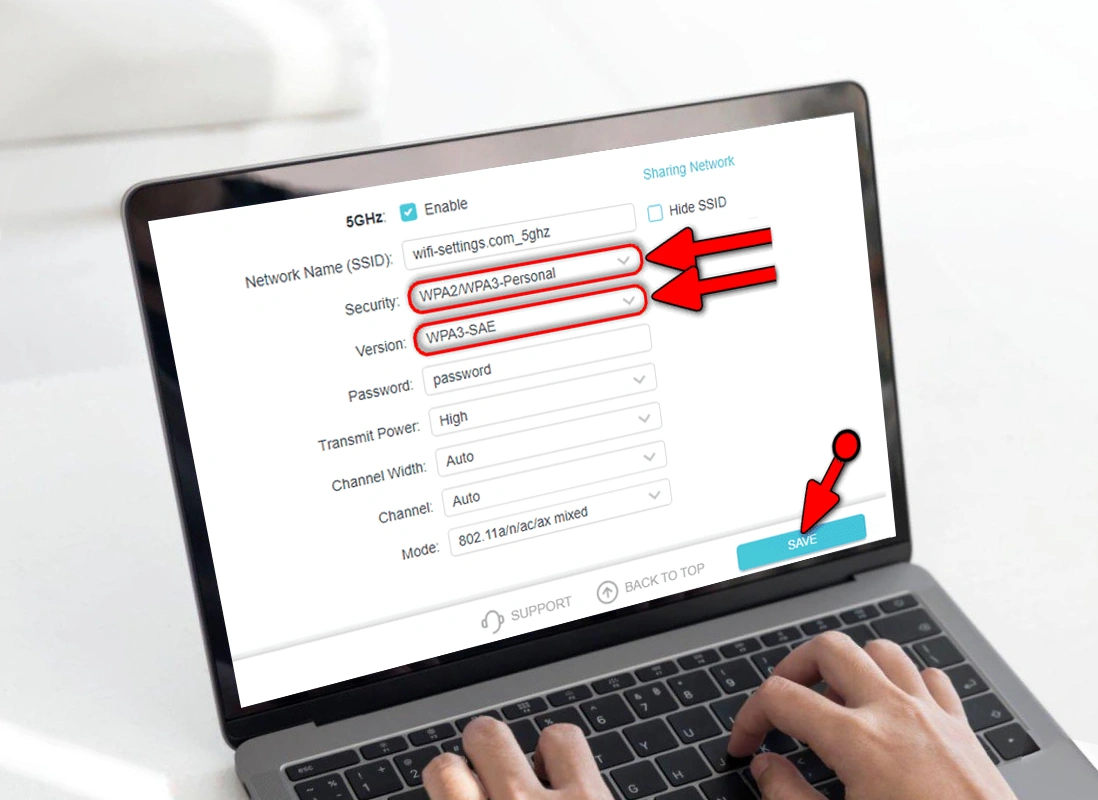
After your D-Link router setup is complete, securing the network is vital. These steps include:
- Change the default login password while d link router setup password
- Enable WPA2 or WPA3, if supported under Wireless Security settings
- Disable remote management if you don’t need it
- Update the firmware via d link router setup wizard or the Maintenance page
- Label your SSID distinctively and avoid including personal info
- Consider setting up a guest network if you have visitors
These practices ensure your router remains safe from unauthorised access and your network runs smoothly for a long time.
Conclusion
In conclusion, the D Link router setup is your gateway to reliable and fast home networking. From accessing dlinkrouter.local, running the d-link router setup wizard, dealing with dlinkrouter.local not working, to configuring advanced modes like setup d link router as access point or d link router bridge mode setup, this guide has covered all you need.
Once you complete the setup and follow the security practices, you’ll have a WiFi network that is stable, secure, and fully under your control. Whether you’re streaming, gaming, working remotely, or simply connecting multiple devices, your D-Link router will perform optimally. Now it’s over to you —set it up, customise it, and enjoy strong WiFi throughout your space.
FAQ’s - Frequently Asked Questions
Q1. How to set up D-Link router?
Ans. To set up the dlink router, you must access the dlinkrouter.local web address. After logging you can set up the router.
Q2. How to set up D-Link router as an access point?
Ans. Firstly, log in to the admin panel of the router and head to the network settings, and disable DHCP.
Q3. How to update the dlink router firmware?
Ans. To update manually, enter the admin panel and click on Management and then Upgrade.
Q4. How to reset D Link router to factory settings?
Ans. To perform a factory reset, locate the reset button and press this for the recommended duration and reconnect your device, and access the internet.